



the tradition matters



the origins
Over 5,000 years ago, a man now known as Ötzi crossed the Alps with 61 soot-based tattoos etched along lines of pain — part therapy, part ornament. Across the world, other ancient skin stories were unfolding: tattooed mummies from Egypt’s Deir el-Medina bearing sacred symbols of protection and fertility; Pazyryk warriors of Siberia inked with animal spirits; and the tattooed women of Nubia and the Chinchorro of Chile marking lineage and ritual.
Tattooing began as medicine, magic, and memory — a language of healing, identity, and belonging. Its aftercare wasn’t bottled; it was knowledge passed through generations, rooted in community and respect for the body.

the ink
Across cultures, the earliest pigments were simple and honest — carbon from soot or charcoal, sometimes plant ash, pressed into the dermis. Those primal inks bonded with the body because they were little more than carbon and carrier. The skin welcomed it.
We believe you deserve to know exactly what’s being placed in your skin — to take back control from mystery and marketing.

the modern challenge
As tattooing has evolved, so have the materials used in inks. Many modern formulations rely on synthetic pigments, preservatives, and trace compounds that were originally developed for industrial or cosmetic applications — not long-term residence beneath the skin.
Research and regulatory review have shown that certain pigments and additives can degrade or interact with the body over time. In response, European regulators have restricted thousands of substances, including pigments associated with the release of aromatic amines or the presence of polycyclic aromatic hydrocarbons (PAHs), due to potential long-term health considerations.
In the United States, independent testing has identified inconsistencies and trace contamination in some commercially available tattoo inks, highlighting gaps between ingredient disclosure and actual formulation contents.
These developments have raised important questions about transparency, formulation standards, and long-term skin health — and underscore the need for a more deliberate, skin-conscious approach to tattoo ink design.

the solution
We honor the rituals that have lasted centuries — and elevate them with modern science to make every step safer, cleaner, and richer for the skin. Our formulas are built with skin-recognizable, biocompatible ingredients — developed through a scientific lens that prioritizes safety, purity, and performance over shortcuts and synthetics. Because true artistry shouldn’t come at the cost of long-term health.
the ingredients matter

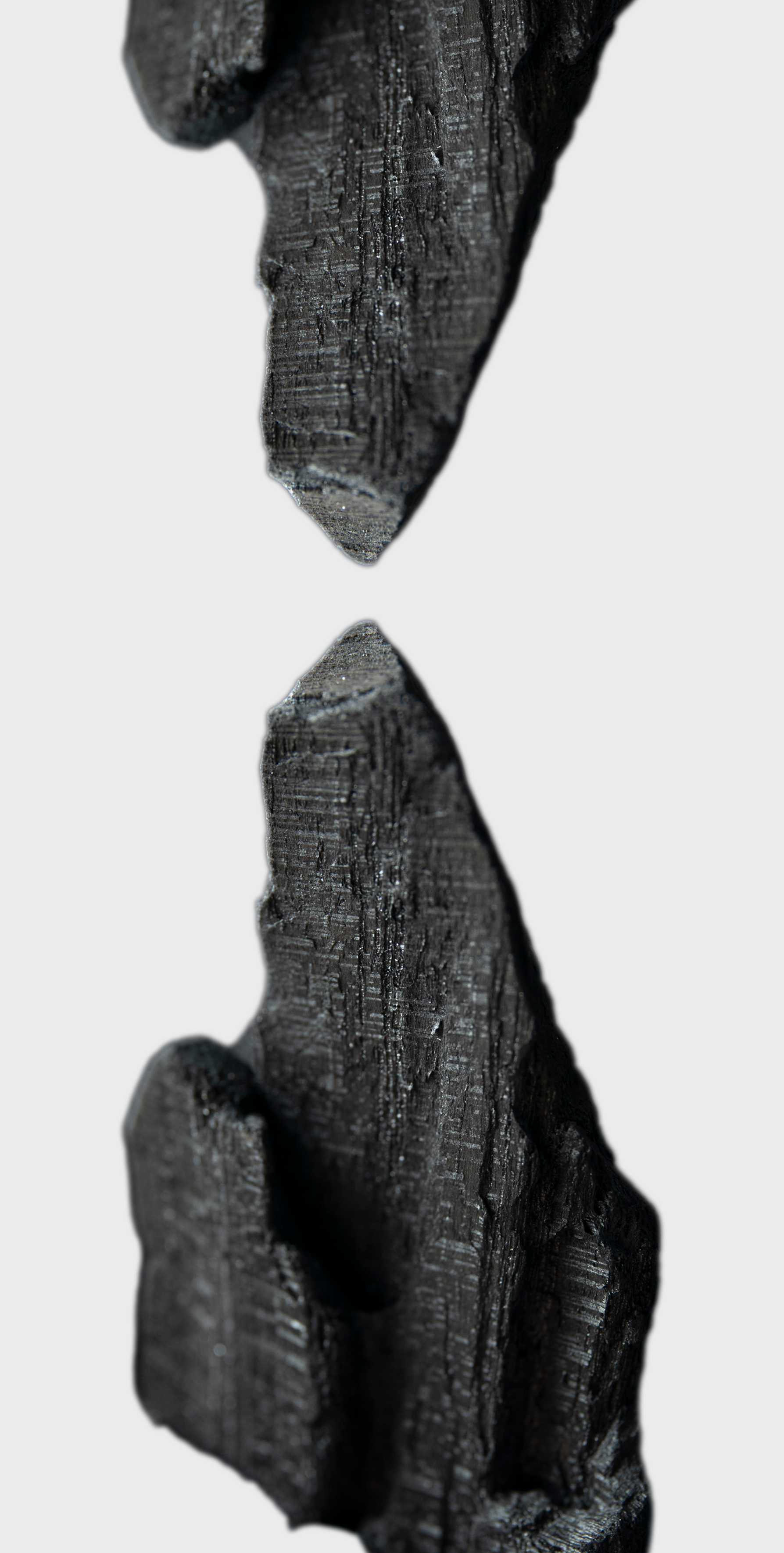

ingredients that work with the skin,
not against it
Freshly tattooed skin is vulnerable. It’s warm, inflamed, and actively repairing itself. What you put on it during those first days — and the weeks that follow — affects how the tattoo settles, how well the pigment holds, and how your skin feels while it heals.
That’s why every Ancient Ink formula is built around skin-safe, biologically supportive ingredients — the kind the body already knows how to work with.
- No petroleum based products that trap heat.
- No artificial fragrance on raw skin.
- No filler ingredients that sit on top and do nothing.
Just functional, proven elements your body recognizes.

charcoal is carbon
simple, stable, and skin-compatible.
In aftercare, it helps keep the healing environment clean by gently drawing out surface impurities and balancing excess oil, without stripping moisture.
This means less irritation, less redness, and a smoother recovery process.
- Clean, breathable healing
- Reduced congestion around the tattoo
- Healthier long-term skin texture over the ink
Healthy skin holds pigment better.
This is the foundation of tattoo longevity.

why clean matters
A tattoo doesn’t just heal once.
Skin is always changing — sun, weather, hydration, age — and the tattoo changes with it.
Clean, supportive skincare keeps the skin healthy, and healthy skin keeps the tattoo clear, saturated, and defined. This is why our aftercare isn’t a one-week solution.
It’s a long-term maintenance system